
It's getting cold out there! But what does that mean for my doors and windows?
With the colder months just around the corner, the drop in temperature can have a significant impact on your home’s windows and doors. Understanding how these brisker conditions could affect your windows and doors will can help you take proactive measures to preserve their condition and prevent potential damage that may occur in the future.
Condensation is a common problem during the winter months, especially when there’s a significant temperature difference between indoors and outdoors. When warm, moist air inside your home comes into contact with cold window glass, water droplets form on the surface. While this may seem like a minor annoyance, if left unresolved, it can lead to more serious issues such as water damage to window sills, frames, and surrounding walls, as well as the growth of mould or mildew. Excess water that’s formed on or around windows may also affect the mechanisms that allow the windows to open, close and lock. So, it’s always a good idea to try and tackle a condensation problem before it starts.
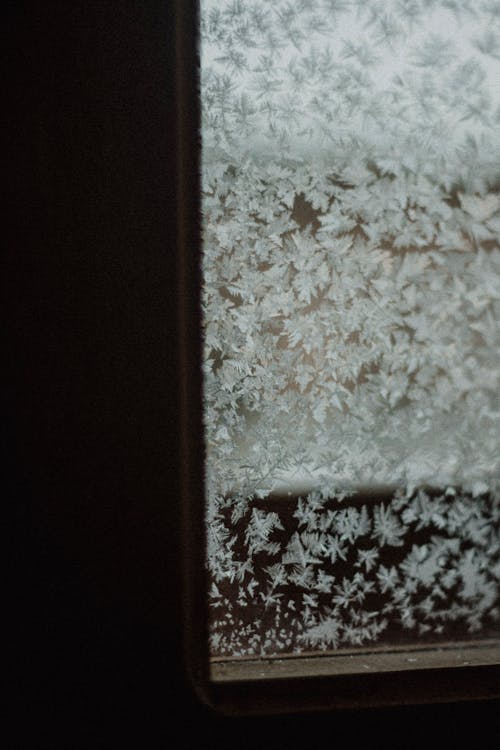
If you haven’t already, upgrading your windows and doors from single to double glazing will significantly decrease condensation forming in these areas due to the inside panes not being directly in contact with the much cooler outside panes, thus reducing moisture build up. Installing higher energy rated windows also increases your homes energy rating which will help you stay warmer in the winter while keeping your energy bills lower.
With that being said, proper ventilation is a key factor into keeping humidity levels as low as they can be in your home. In high moisture areas such as bathrooms, you should turn on extractor fans and crack open a window to let moisture-rich air escape and the dry air in. You could also apply this to when you’re cooking, opening a window and using the extractor should reduce water vapor from circulating in your kitchen.
Every new window fitted after June 2022 should include trickle vents. These are a small ventilation system, usually fitted above the glass, which allows airflow to circulate through each room and further decrease the likelihood of moisture buildup. If you are having problems in rooms with windows that have trickle vents installed, you can open them up to ensure that there is adequate ventilation throughout your home.
If you’ve noticed moisture buildup getting exponentially worse in your home, it could be a good idea to invest in a dehumidifier to control your indoor humidity. Electric plug-in dehumidifiers are a great way to tackle condensation but do come with a price tag. If you’re seeking a more budget friendly alternative then you can buy packs of disposable dehumidifier pots which you can put in each room around your home to combat your moisture problems.
In the colder months its very tempting to keep every window closed to keep you that lovely warm air inside. However not opening your windows for extended periods of time may cause hinges and locking mechanisms to seize, this is exacerbated in colder conditions and as such we recommend that you open windows and doors once a week to keep everything working as it should be. We also recommend lubricating your windows and doors on a semi-regular basis (we recommend every 3 months) with a silicone based lubricant spray, like GT85, to reduce the chance of the interior mechanisms failing. Following these two simple recommendations should only take 1-2 minutes and can seriously increase your windows and doors life span.